I am fully ready to admit that my hardware is fine, but my software occasionally glitches.
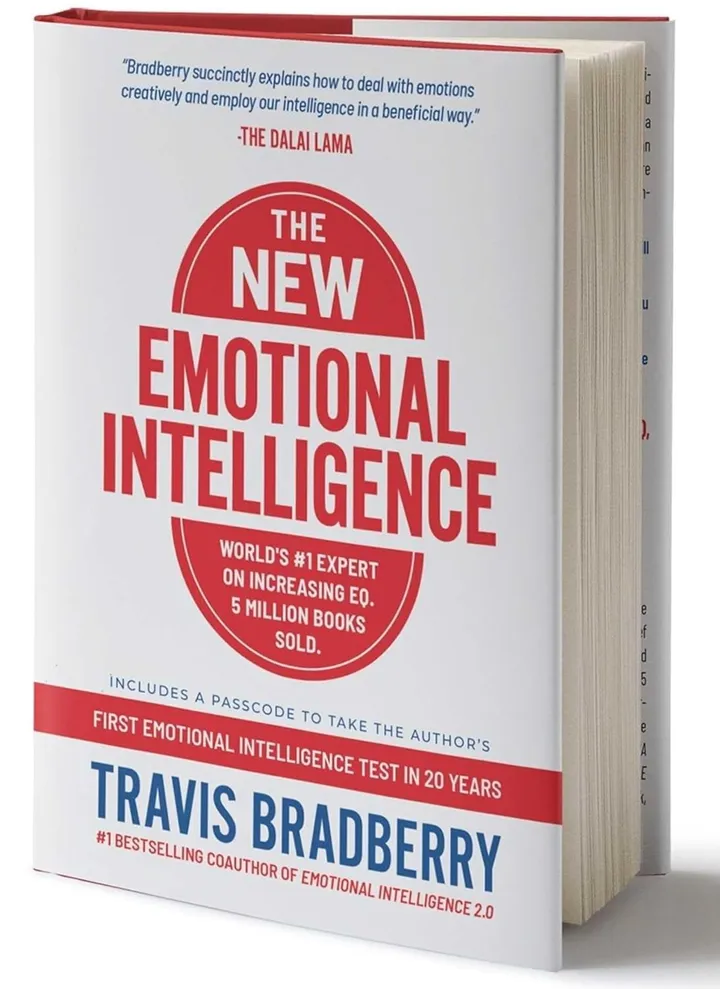
I’ve become convinced that Emotional Intelligence (EQ) isn’t just soft-skill fluff; it is critical infrastructure for the modern work environment. When I picked up The New Emotional Intelligence, I wasn’t looking for a hug. I was looking for an optimization strategy. Specifically, I wanted to solve for two variables:
- Lowering Operational Costs: Reducing anxiety levels.
- Increasing ROI: Finding ways to thrive rather than just survive.
The book offers a few patches that I found immediately deployable. Here are the key takeaways.
Defactoring the Input: “Have-to” vs. “Get-to”
This is a syntax change with a massive impact on the backend. The book suggests shifting your mindset from “I have to do this” to “I get to do this.”
It sounds simple, perhaps deceptively so, but run the simulation in your head. “I have to lead this meeting” feels like a burden—a ticket you want to close immediately. “I get to lead this meeting” implies opportunity and agency. It turns a chore into a privilege. It’s a small logic gate that changes the entire emotional output.
Disabling Autopilot
Most of us run on low-power mode, reacting to stimuli without processing them. The book argues for staying present. In engineering terms, you can’t debug a system if you aren’t looking at the logs in real-time. If you aren’t present, you miss the data required to make smart decisions.
Debug with Specificity
Anxiety thrives on vague error messages. When we just feel “stressed,” it’s like getting a generic “An Unknown Error Has Occurred” pop-up. You can’t fix that.
The solution is specificity. When you worry, define the variables. Describe exactly what is failing and what the patch looks like. By converting a vague feeling of doom into a specific problem statement, you move from panic to problem-solving.
Confidence is Not Recklessness
Finally, the book distinguishes between actual grit and blind optimism. Staying positive doesn’t mean ignoring the red flags—that’s just reckless deployment.
True confidence is the willingness to do the hard work to resolve the issue. It isn’t assuming nothing will break; it’s knowing that when things do break, you have the competence to fix them. Stop complaining about the bugs and start working on the features.
The Verdict
“feeling good” is the first step to function better. Emotional intelligence is to make sure the human mind could work better with lubrication.